


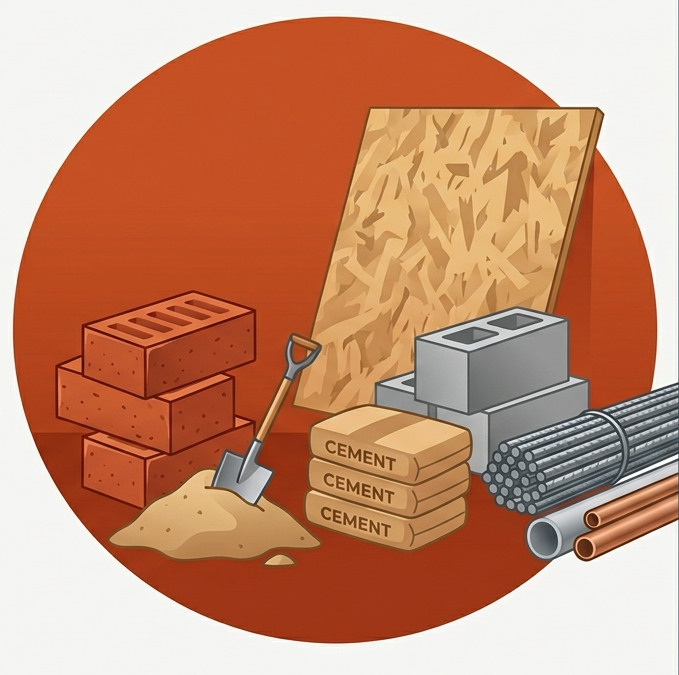



PPC vs. OPC vs. Specialized Cement: Which Should You Choose?

Choosing the right binding material is the foundation of any successful construction project. While all cement might look like "gray powder," the chemical composition and performance characteristics vary significantly between types.
Ordinary Portland Cement (OPC) is the traditional powerhouse, known for high initial strength and fast setting times, making it ideal for high-rise buildings and structural members. On the other hand, Portland Pozzolana Cement (PPC) incorporates volcanic ash or fly ash, providing better durability, resistance to chemical attacks, and a more eco-friendly profile.
For projects with unique demands—such as underwater construction, sulfate-prone soil, or rapid repair—Specialized Cements come into play. This guide breaks down the technical specifications, curing times, and best use cases for each to ensure your project stands the test of time.
| Feature | OPC | PPC | Specialized Cement |
| Composition | Clinker + Gypsum | Clinker + Gypsum + Pozzolanic material | Custom (e.g., High Alumina, Rapid Hardening) |
| Strength Gain | Fast (High initial strength) | Slow (Higher long-term strength) | Varies (Usually very fast) |
| Heat of Hydration | High | Low | Varies by type |
| Best For | High-rise, bridges, slabs | Residential, mass concrete, masonry | Dams, marine works, urgent repairs |
| Cost | Generally Higher | Economical | Premium |
Recent Posts

PPC vs. OPC vs. Specialized Cement: Which Should You Choose?
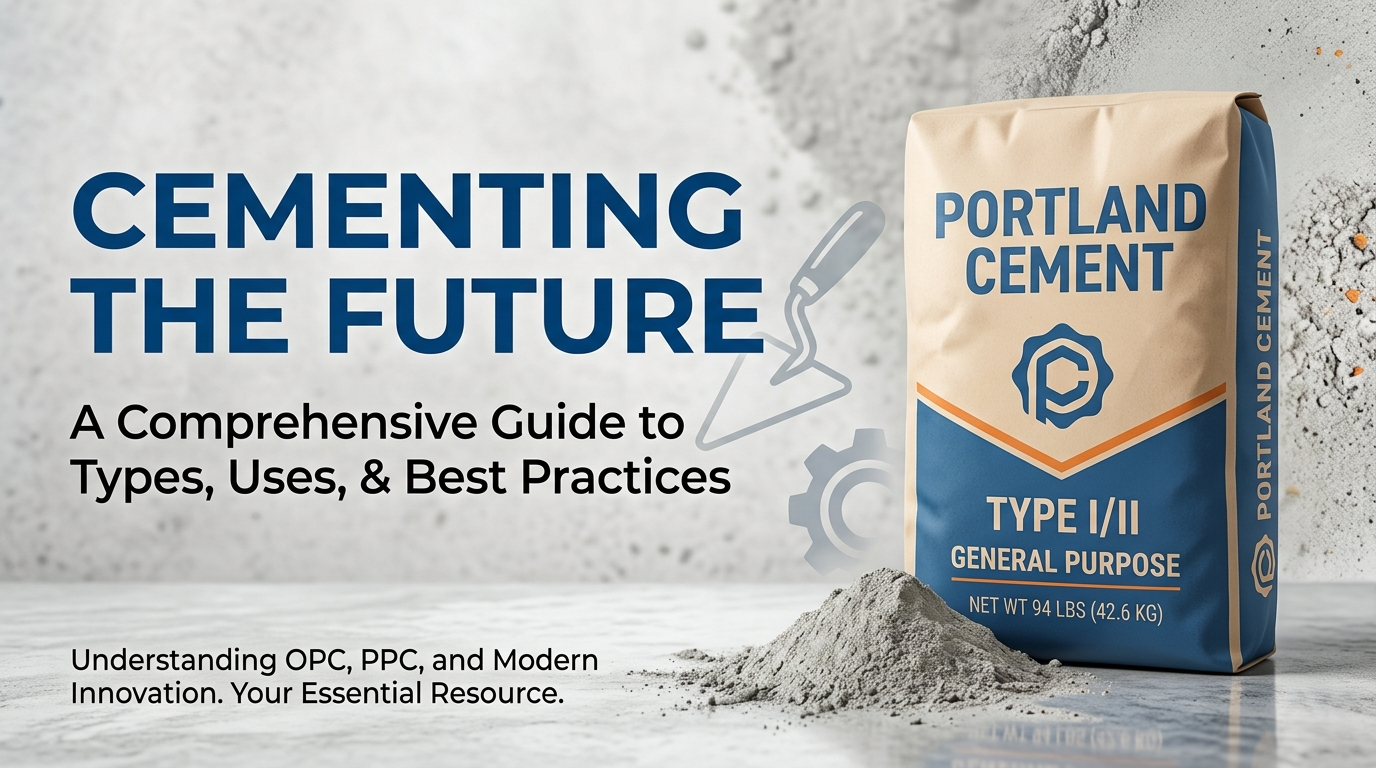
Cementing the Future: A Comprehensive Guide to Types, Uses, and Best Practices

The Ultimate Guide to Choosing the Right Commode for Your Bathroom

Top Wash Basin Designs to Elevate Your Bathroom’s Aesthetic

How to Choose the Perfect Shower Mixer for a Spa-Like Experience

Why High-Quality Angle Stop Cocks Are Essential for Your Plumbing

The Benefits of Modern Asian Squatting Pans for Bathroom Hygiene

Why the Digital Piano Key Shower System is the Future of Bathroom Luxury
Build Your Dream with Zara Build


